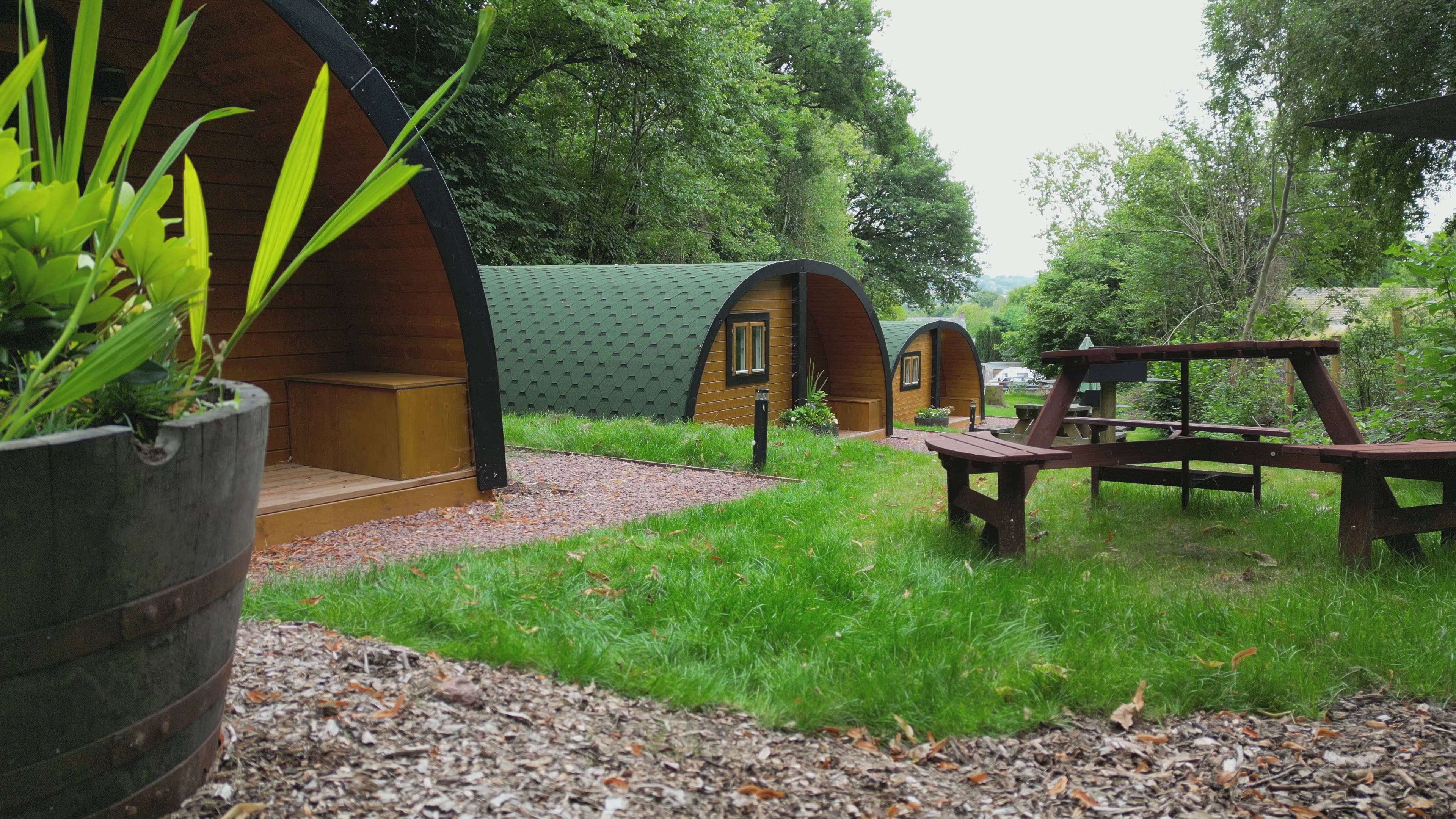

A More Considered Way to Sell or Rent a Glamping Site
If you own a glamping site — or land suitable for glamping — and are considering selling, renting, or transitioning it, this page explains how GlampLaunch can help.
There are very few dedicated, credible routes for glamping site sales in the UK. Most owners are left choosing between general land portals that attract noise, or informal introductions with little planning or commercial context.
This page exists to offer a more considered alternative — one built around planning reality, industry connections, and sensible conversations, rather than public listings.
Why Selling or Renting a Glamping Site Is Different
Glamping sites don’t behave like standard property assets.
Their value is shaped by:
- Planning context
- Site layout and access
- Operational performance
- Buyer capability and intent
As a result, many sites struggle to sell or rent not because they lack value — but because they’re presented to the wrong audience, in the wrong way, or without the right context.
Public listings often attract speculation rather than serious operators. And without planning awareness, even genuinely good sites can be mispositioned or misunderstood.

How the Process Works
There Isn’t Really a “Place” to Sell a Glamping Site
Unlike residential or commercial property, glamping sites don’t have a clear marketplace.
Most transactions happen quietly, through:
- Personal networks
- Industry introductions
- Operators already looking to expand or relocate
GlampLaunch sits naturally within this ecosystem. We work daily with people looking to acquire land and sites for glamping, and with owners considering their next move.
This puts us in a position to connect the right people — without noise, hype, or public listings.
Where Buyers and Operators Come From
Interest typically comes from:
- Operators actively looking to expand or relocate
- Clients already engaged with us for land acquisition
- Industry contacts across the glamping sector
- Off-market demand that never appears on public portals
This demand exists — but it requires filtering and context to be useful.
Why GlampLaunch

Industry Experts, Not Listing Platforms
We don’t run a marketplace and we’re not a generic property site.
We operate inside the glamping industry itself.
Because we’re involved in planning, feasibility, and delivery, we understand how sites are actually evaluated by buyers — not just how they’re advertised. This allows us to sense-check sites realistically before introducing them, and avoid wasting time on unviable opportunities.
Direct Access to Active Buyers
GlampLaunch works with people who are actively looking to acquire or lease land for glamping — not casual browsers.
Through our work across feasibility studies, pod delivery, and site launches, we maintain relationships with buyers who already understand planning risk, infrastructure realities, and commercial constraints.
In many cases, this allows sites to be introduced privately, without public listings, portals, or speculative enquiries — keeping the process focused and efficient for all parties.
Neutral, Commercially Aligned Introductions
We don’t sell land, and we don’t represent buyers.
Our role is to act as a neutral connector — ensuring that introductions are sensible, aligned, and grounded in reality. If a site isn’t suitable, we’ll say so. If it is, we’ll explain why — clearly and honestly.
Because we’re involved across the full lifecycle of glamping projects, our incentive is simple:
good land ends up with the right operator, for the right reason.
FAQs
1. How do you actually sell a glamping site in the UK?
Selling a glamping site is very different from selling a house, farmland, or a normal commercial property. There is no established marketplace, no dominant portal, and no standardised process that most owners can rely on.
In practice, glamping sites tend to sell in one of three ways:
- privately, through industry connections
- quietly, via word-of-mouth between operators
- or not at all, after sitting publicly listed with little serious interest
The reason is simple: buyers of glamping sites are not casual investors. They are operators who care deeply about planning status, infrastructure, layout, expandability, and operational reality. Most public listings fail to communicate this properly, which is why they attract the wrong audience or stall completely.
This is why many successful transactions never appear on Rightmove, Zoopla, or generic business-for-sale platforms. They happen through targeted introductions, where both sides already understand the realities of the sector.
2. Is it better to sell a glamping site or rent/lease it to an operator?
There is no universally “better” option — it depends entirely on the site, the planning position, and the owner’s objectives.
Selling often makes sense when:
- the owner wants a clean exit
- capital is needed elsewhere
- the site has reached a natural plateau
Leasing or renting can make sense when:
- the land has long-term value
- the owner wants ongoing income
- the site is underutilised but fundamentally sound
However, many owners underestimate how complex leasing can be. A glamping lease is not the same as renting a field. It involves responsibility, risk allocation, planning compliance, infrastructure liability, and operator quality. Done poorly, it can create more problems than it solves.
This is why most owners benefit from discussing both options before committing to either.
3. Why is it so hard to sell a glamping site through normal property agents or portals?
Most property agents are excellent at selling houses and generic land, but glamping sites sit in an awkward middle ground between property, planning, and business.
Agents often struggle to:
- explain planning permissions accurately
- assess infrastructure properly
- answer operational questions buyers care about
- screen out speculative or unqualified interest
As a result, listings either attract noise or go stale. Buyers lose confidence quickly when basic questions can’t be answered clearly, and serious operators simply move on.
Because of this, many experienced buyers don’t even look at public listings anymore. They rely on industry contacts, trusted intermediaries, and direct conversations instead.
4. Who actually buys or rents glamping sites?
The majority of genuine interest comes from:
- existing glamping operators expanding their portfolio
- operators relocating from weaker sites
- buyers already in the process of launching a site
- landowners transitioning into hands-off ownership
These buyers are not browsing casually. They are comparing risk, planning certainty, infrastructure costs, and operational complexity. They move quickly when something fits — and ignore everything else.
This is why volume marketing rarely works in this sector. Relevance matters far more than reach.
Click here if you are interested in finding a glamping site to purchase
5. Can you sell glamping land without planning permission?
Yes — but expectations must be realistic.
Land without planning permission is not valued or treated the same way as a consented or operating site. Buyers will factor in:
- planning risk
- time delays
- survey costs
- design uncertainty
In many cases, land without planning is better suited to:
- option agreements
- phased deals
- or introductions to buyers already comfortable navigating planning
This is where early clarity matters. Presenting unconsented land as a “ready-made glamping site” almost always backfires and wastes time for everyone involved.
6. How does GlampLaunch help people sell or rent glamping sites or land?
GlampLaunch does not operate as a traditional estate agent or listing platform.
Instead, we sit inside the glamping industry — working across planning, feasibility, delivery, and land acquisition. This gives us visibility into:
- active buyers and operators
- stalled or transitioning sites
- projects that never reach public listing
- genuine demand that doesn’t show up online
When appropriate, we facilitate private conversations and introductions between owners and relevant parties. There is no guarantee of a transaction, but the process is grounded in reality rather than speculation.
Our role is to help sensible opportunities find sensible outcomes — quietly and professionally.
7. What should I do if I’m thinking about selling or renting my glamping site but not sure yet?
That position is more common than most people realise.
The first step is not listing the site or committing to a sale. It’s understanding what options actually exist and whether there is realistic demand for your specific site.
A short exploratory conversation can often provide clarity — even if the conclusion is to wait or do nothing for now.