We Didn’t Get Here by Being Perfect
If you only look at GlampLaunch today, it might seem like selling glamping pods is straightforward. You see the finished projects, the professional photos, the happy clients and the polished process. From the outside, it can look like everything simply falls into place.
The reality is very different.
Selling glamping pods is one of the most operationally demanding businesses I’ve ever experienced. Every project has dozens of moving parts that all have to come together properly: dimensions, electrical systems, plumbing, logistics, site access, craning, groundworks, client expectations and long-term warranty support.
You’re not sending someone a parcel. You’re delivering an asset they’ve invested their future in.
Because of that, we’ve made mistakes over the years. Some were small, some were expensive, and a few completely changed how we operate as a business. Looking back, I wouldn’t hide any of them, because every mistake became a new process, every problem became a better system, and every difficult lesson made GlampLaunch stronger.
This is the honest version of how we’ve built the company we are today.

We Don’t Sell Pods. We Help Build Businesses
One of the biggest mindset shifts I’ve had is realising that we don’t actually sell pods. We help people build businesses.
When somebody buys a glamping pod, they’re not simply buying timber, insulation and windows. They’re buying a future income stream, a lifestyle change, and in many cases, a completely new direction for themselves or their family.
That is a huge responsibility.
If our product doesn’t perform, if guests aren’t comfortable, or if something hasn’t been properly thought through, it doesn’t just affect the pod. It affects someone’s business. Once I truly understood that, my entire approach changed.
We stopped thinking purely about products and started thinking about long-term outcomes. That mindset sits behind every decision we make today.
The Hot Water Mistake We’ll Never Make Again
One of our earliest lessons involved something surprisingly simple: hot water.
Our first glamping pods were supplied with 30-litre hot water tanks. At the time, it seemed reasonable. On paper, the numbers looked acceptable. In reality, they weren’t ideal for real guest use, particularly when guests expected comfortable showers during back-to-back bookings.
That experience taught us something valuable: guests don’t care what should work. They care about what actually works.
So we made a permanent change. Today, our standard specification includes significantly larger 80-litre hot water systems that provide a much better experience for guests. Once something becomes a potential comfort issue, it isn’t something we compromise on again.

When One Delivery Changed How We Manage Logistics
Another major lesson came from delivery.
We once had a delivery vehicle arrive earlier than expected because communication hadn’t been managed well enough. On paper, that might sound like a small issue. In reality, delivery day involves far more than simply unloading a pod.
Clients may have contractors on site. Groundworks need to be completed. Access gates need to be open. HIAB or crane operations have to be coordinated. Neighbours sometimes need to be informed. The entire day works to a schedule, so a communication breakdown can create unnecessary stress for everyone involved.
After that experience, we reviewed our logistics process, changed courier arrangements and introduced much tighter communication standards.
The lesson has stayed with me ever since: if you don’t control communication, you don’t control the outcome.

The Pricing Mistake That Changed Everything
Probably the most stressful financial lesson I learned came from underpricing a project. It was entirely my fault. I was eager to secure the work and priced it too aggressively.
The project went ahead successfully, but by the time everything was completed, we had effectively broken even. At first glance, that might not sound too bad. But the reality is very different.
We still carried all the responsibility. We still managed the project. We still accepted warranty obligations. We still provided ongoing support. We still took on all of the risk. The only thing missing was the financial buffer that protects both the client and the business when something unexpected happens.
There was another layer to that project. The client was going through a bereavement at the time. I could have gone back and asked for more money, but I chose not to. The mistake was mine, not theirs, and it didn’t feel right to add extra pressure during such a difficult period.
That experience permanently changed how we approach pricing. Today, we don’t view margin as simply profit. We view it as protection. Proper pricing allows us to deliver the level of service our clients deserve while ensuring we can support them long after installation.
Every Mistake Became a Better System
One thing I’m genuinely proud of is that we don’t simply fix problems. We build systems that stop them from happening again.
Zero Ambiguity Documentation
Every serious project now receives comprehensive documentation before anything moves forward. Our project brochures often run to 70 or 80 pages and cover specifications, layouts, what’s included, what’s excluded, compliance requirements, delivery responsibilities, assumptions and exactly what has been agreed.
Once everything is confirmed, we finalise it through DocuSign. That protects us, but more importantly, it protects the client.
Everyone knows exactly what’s being delivered, who is responsible for what and what to expect. No assumptions, no grey areas, no surprises.
Better Follow-Up Throughout Long Sales Cycles
One thing I underestimated early on was how long people take to make decisions. Buying a glamping pod isn’t an impulse purchase. Planning takes time, finance takes time, site preparation takes time, and people naturally disappear for a few weeks before coming back with another question.
In the early days, I didn’t have enough structure around following up. Now we have a much better nurturing process that keeps conversations moving naturally without putting pressure on people.
We’ve learned that you don’t close pod projects in one conversation. You guide people through a journey.
Staying Focused
Like many young businesses, we initially tried to do too much. Too many products, too many directions and too many moving parts.
Eventually, I realised that trying to do everything usually means you don’t do anything exceptionally well. So we narrowed our focus. Pods and glamping became our core, and everything else now has to support that focus rather than distract from it.
That decision improved our execution, our communication, our brand and the overall quality of what we deliver.

Learning When to Say No
Another lesson that took time was understanding that not every project is the right fit.
For example, we generally don’t pursue projects with very small budgets. That’s not because we think we’re above them. It’s because our business is built around bespoke service, detailed planning and close communication. The operational work behind a £10,000 project can often be surprisingly similar to a much larger one, and cutting corners simply to reach a lower price point isn’t how we want to operate.
We’ve also introduced a £250 drawings package at the beginning of the design process. If a client proceeds with their pod, that amount is deducted from the final project cost, so it isn’t really about generating revenue.
It’s about commitment.
It helps us identify people who are genuinely ready to move their project forward while allowing our team to dedicate time to clients who are actively progressing. It protects everyone’s time.
What Building GlampLaunch Has Taught Me About Leadership
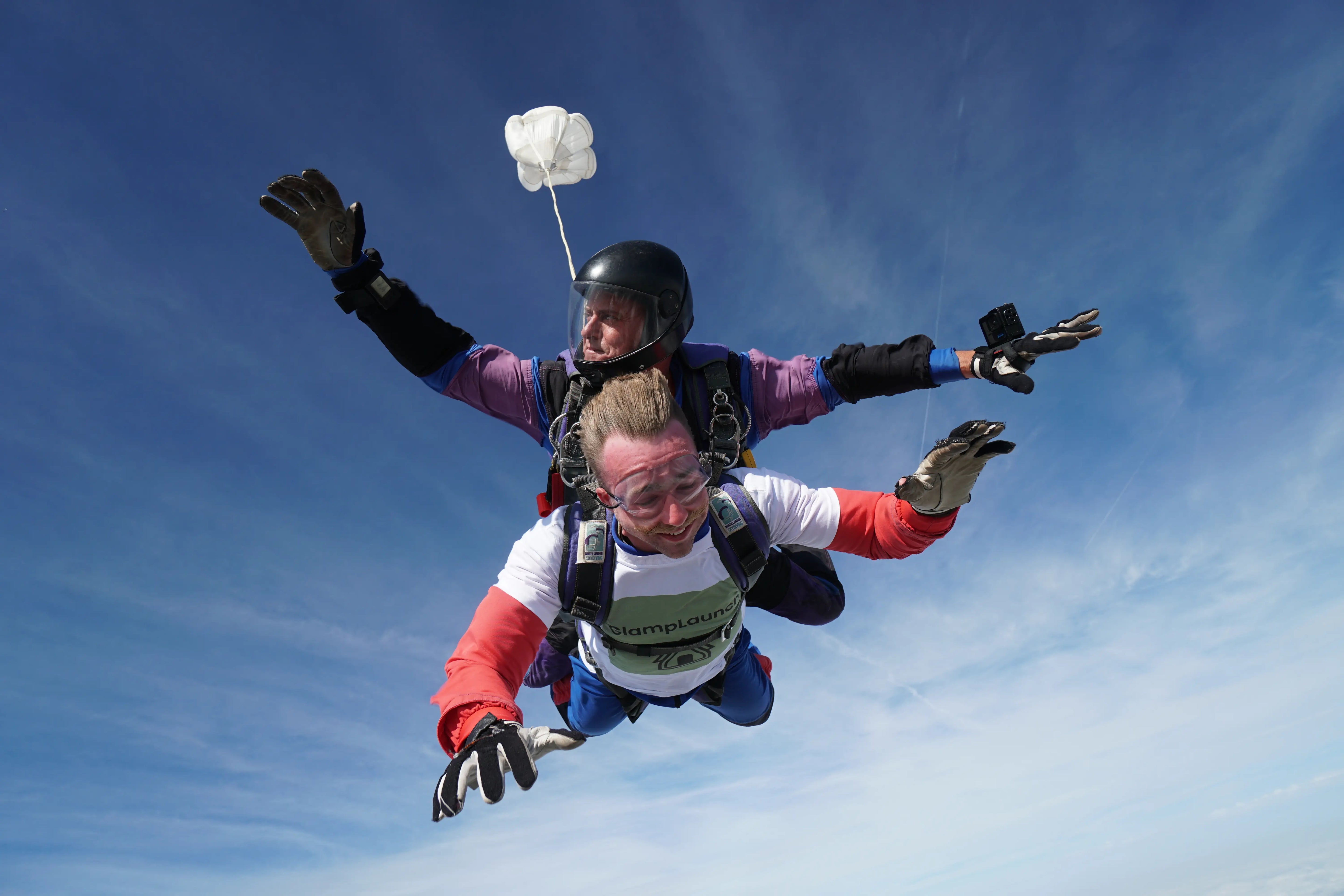
I started GlampLaunch in my early twenties, and one thing that surprised me was how supportive people have been.
There’s a perception that being young automatically works against you. That hasn’t been my experience. I’ve found that people are incredibly supportive when they see genuine effort, accountability and a willingness to improve.
Nobody expects perfection. They expect honesty.
If something goes wrong, own it, fix it, learn from it and improve the process. That’s what leadership means to me. Not pretending mistakes never happened, but making sure the same mistake doesn’t happen twice.
The same applies internally. People don’t just work for a salary. They work for a mission, momentum and the feeling that they’re building something worthwhile. Part of my responsibility is making sure that vision stays clear while continually raising the standards of the business.
One Lesson I’m Still Learning
One area I’m still actively improving is time management. I’m better than I used to be, but there’s still plenty of room to grow.
One mindset has really stuck with me:
If you waste time, you waste life.
That thought has completely changed how I approach my work. We’re constantly improving our systems, outsourcing lower-value tasks where appropriate and focusing more energy on the work that creates lasting value.
That means investing time into improving our processes, refining our products, documenting projects properly, producing better case studies and supporting clients throughout their journey. Those are the things that genuinely move the business forward.

Why I’m Sharing This
If you’ve read this far, I hope you come away with two thoughts.
First, GlampLaunch wasn’t built perfectly. Like every growing business, we’ve learned through experience.
Second, every lesson has made us stronger. Every mistake has improved our systems. Every challenge has refined our process. Every difficult project has helped us deliver a better experience for the next client.
That’s why I’m comfortable talking openly about the journey. Trust isn’t built by pretending you’ve never made mistakes. It’s built by showing people how you’ve responded to them.
If you’re thinking about starting a glamping site, my advice is simple: get clarity early, ask questions and work with people who take the responsibility seriously.
Because you’re not simply buying a pod. You’re investing in something that’s designed to support your business for many years to come.
We’re still building. Still improving. Still raising the standard.
The difference now is that we’re building on experience, not guesswork.
We’ve learned many of the hard lessons already. So hopefully, you won’t have to.
Summary
• Selling glamping pods is not just about delivering a finished product; it involves managing a full business asset that clients rely on for long-term income and guest satisfaction.
• Early mistakes, such as undersized 30-litre hot water tanks, taught GlampLaunch the importance of designing pods around real guest use rather than just what looks acceptable on paper.
• Delivery and logistics issues showed how important clear communication, site readiness, access planning and professional coordination are on every glamping pod project.
• Underpricing a project highlighted that proper pricing is not just about profit; it protects the client, the company and the quality of long-term support.
• GlampLaunch now uses detailed documentation, clear project scopes and DocuSign agreements to remove ambiguity and protect both sides before work begins.
• The company has improved its follow-up process, focusing on guiding clients through the longer decision-making journey involved in launching a glamping site.
• GlampLaunch has become more focused on pods and glamping, choosing quality, clarity and operational strength over trying to do too many things at once.
• Every mistake has helped shape stronger systems, better standards and a more reliable process for clients investing in glamping pods.
FAQs
1. What mistakes has GlampLaunch made when selling glamping pods?
GlampLaunch has learned from several early mistakes, including undersized hot water systems, delivery communication issues and underpricing projects. Each of these lessons helped the company improve its systems, documentation, logistics and project standards.
2. Why did GlampLaunch change from 30-litre to 80-litre hot water systems?
The original 30-litre hot water tanks were not ideal for real guest use, especially during back-to-back bookings. GlampLaunch now uses larger 80-litre hot water systems as a better standard for guest comfort and reliability.
3. Why is delivery planning so important for glamping pods?
Glamping pod delivery involves much more than simply dropping off a unit. Site access, groundworks, gates, contractors, craning or HIAB arrangements and timing all need to be carefully coordinated to avoid stress and delays.
4. Why does GlampLaunch use detailed project documentation?
Detailed project documentation helps make the agreed specification, inclusions, exclusions, responsibilities and delivery scope clear from the start. This removes confusion, protects the client and ensures both sides understand exactly what has been agreed.
5. What makes buying a glamping pod different from buying a normal product?
A glamping pod is not just a product; it is often a revenue-generating asset for a client’s business. That means build quality, guest comfort, delivery planning, aftercare and long-term performance all matter.